4th General Faculty Student Assembly
Events | January 27, 2026
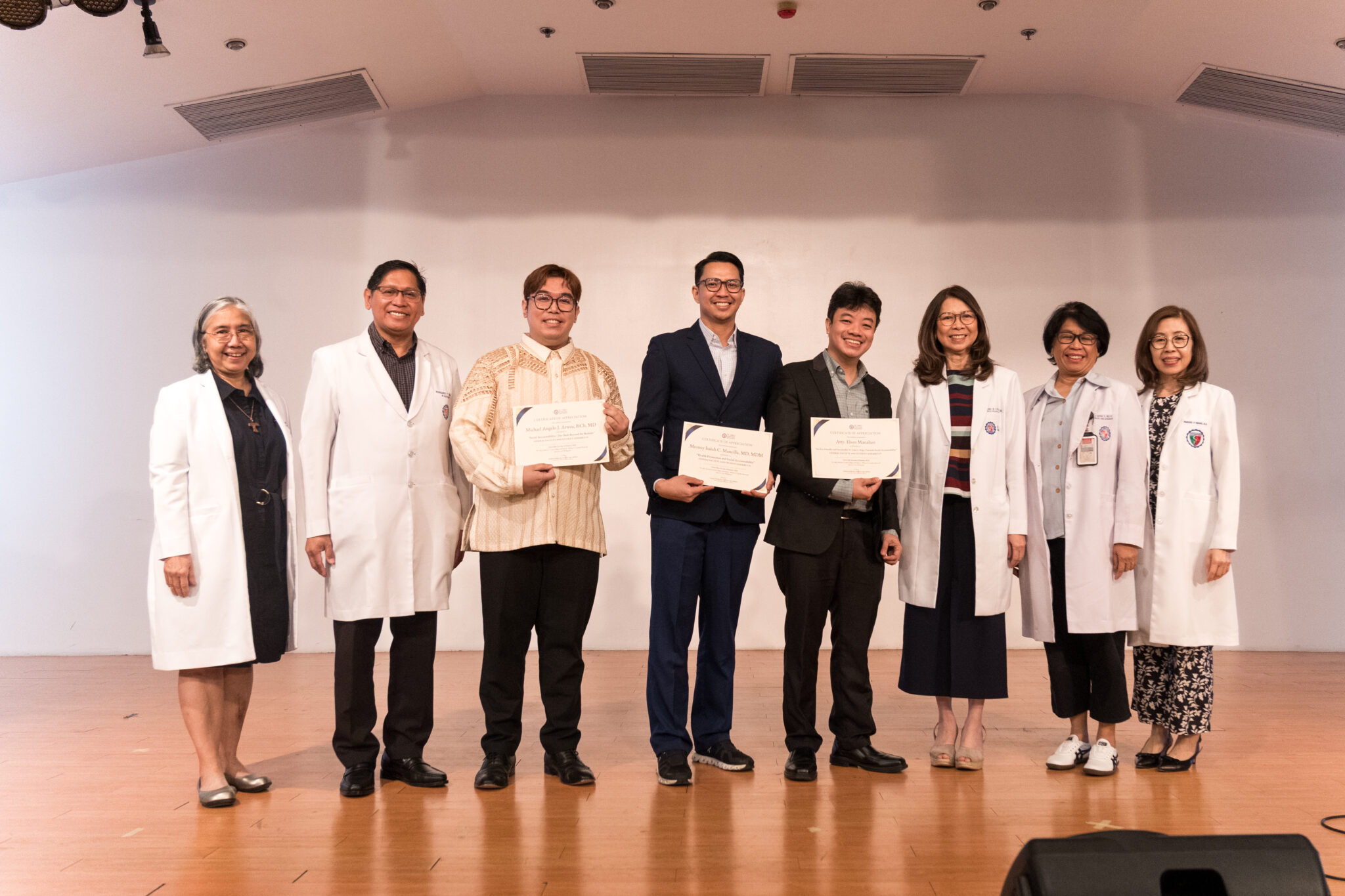
We begin the year by reaffirming our commitment to social accountability—recognizing that medicine must not only heal individuals, but also respond meaningfully to the needs of society and the communities we serve.
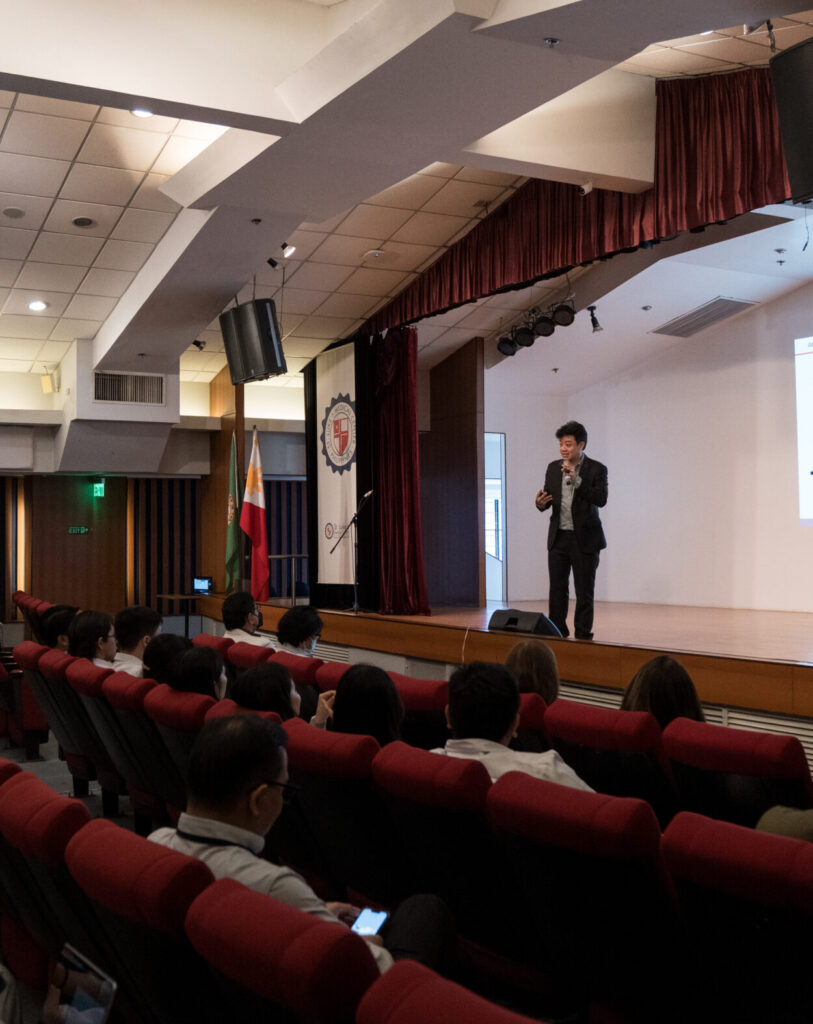
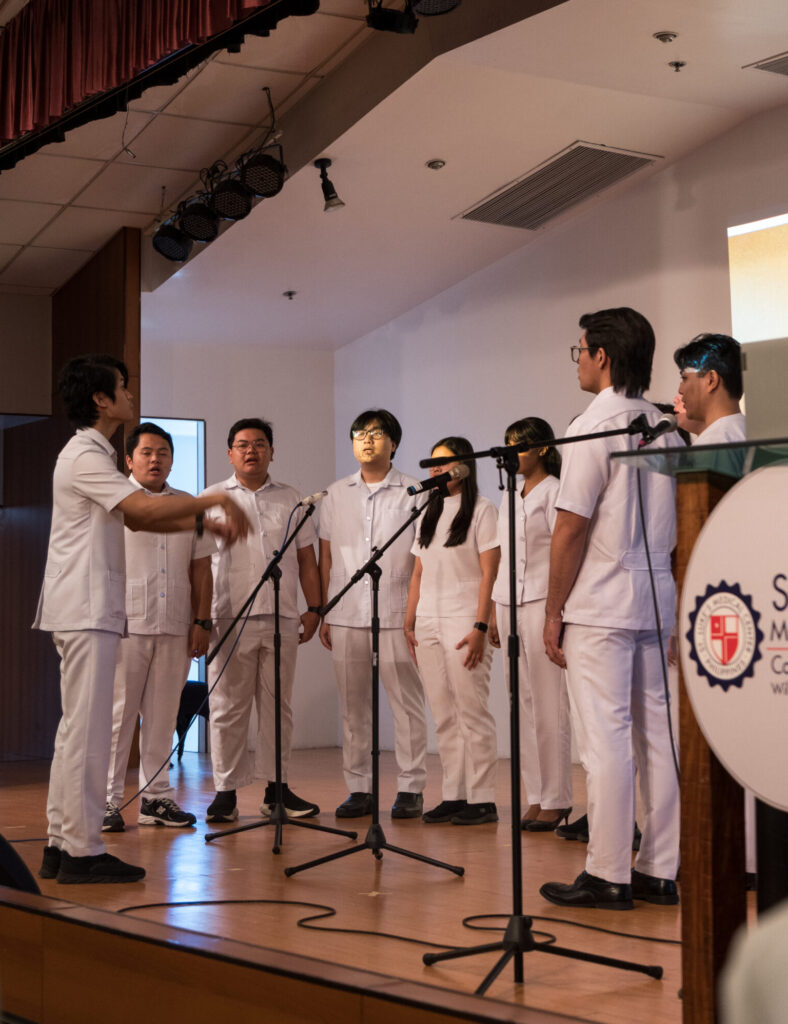
At the 4th General Faculty Student Assembly, the discussion centered on how social accountability translates into real-world medical practice. Through shared experiences and insights, our speakers emphasized that the role of healthcare professionals extends beyond clinical expertise to advocacy, prevention, and community engagement.
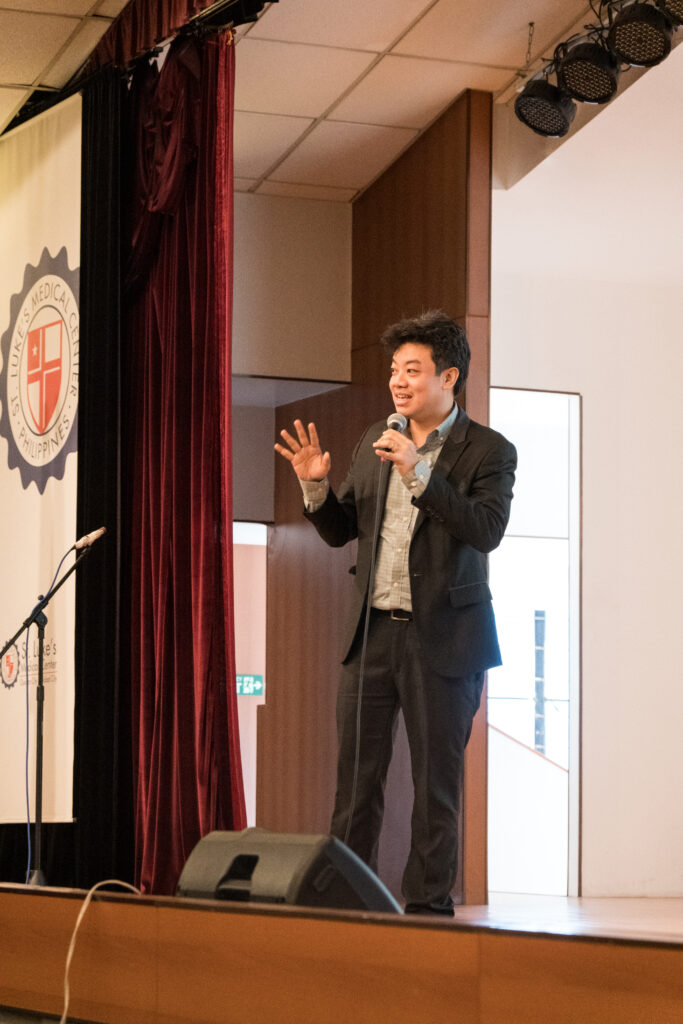
Atty. Elson Manahan, Head of the Sustainability Committee of One St. Luke’s Health System, underscored that the true edge of a Lukan doctor lies in understanding social accountability. He emphasized that excellence in medicine is strengthened when physicians recognize their broader responsibility to society—beyond diagnosis and treatment.

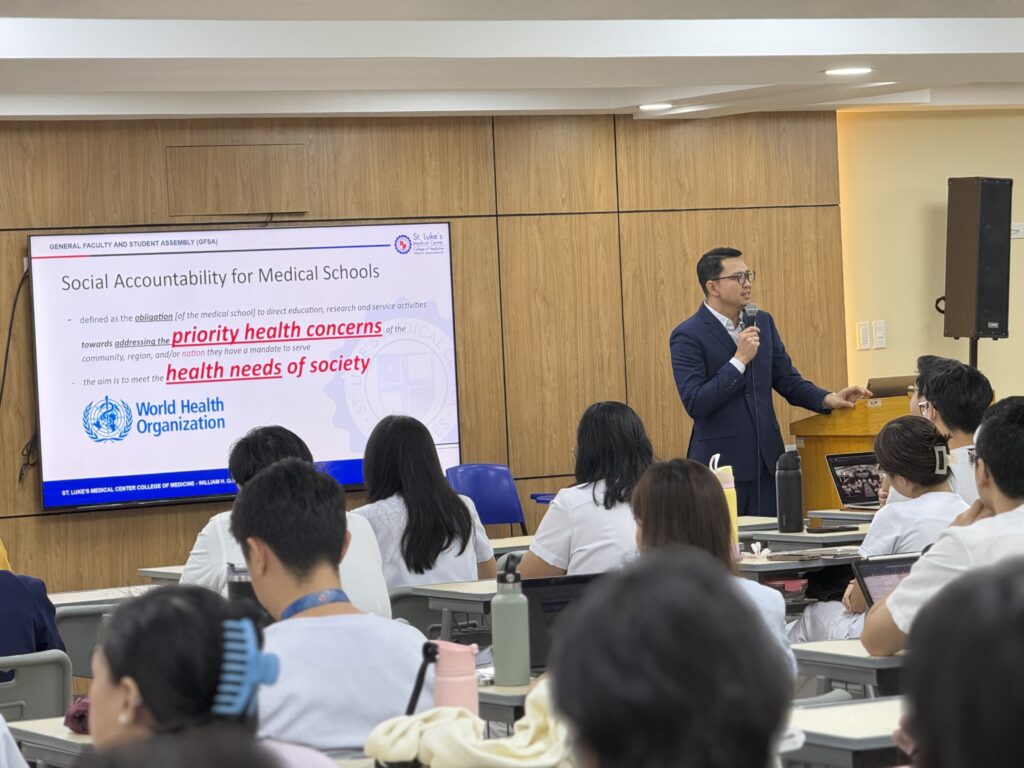
Shifting the conversation toward prevention, Monrey Isaiah C. Mancilla, MD, MDM, Head of Health Promotion at the DOH Bicol Center for Health Development, highlighted the importance of moving from curative to preventive medicine. He called on healthcare professionals to identify risky behaviors and contributing factors early, stressing that addressing these proactively can significantly reduce disease burden and improve long-term health outcomes.
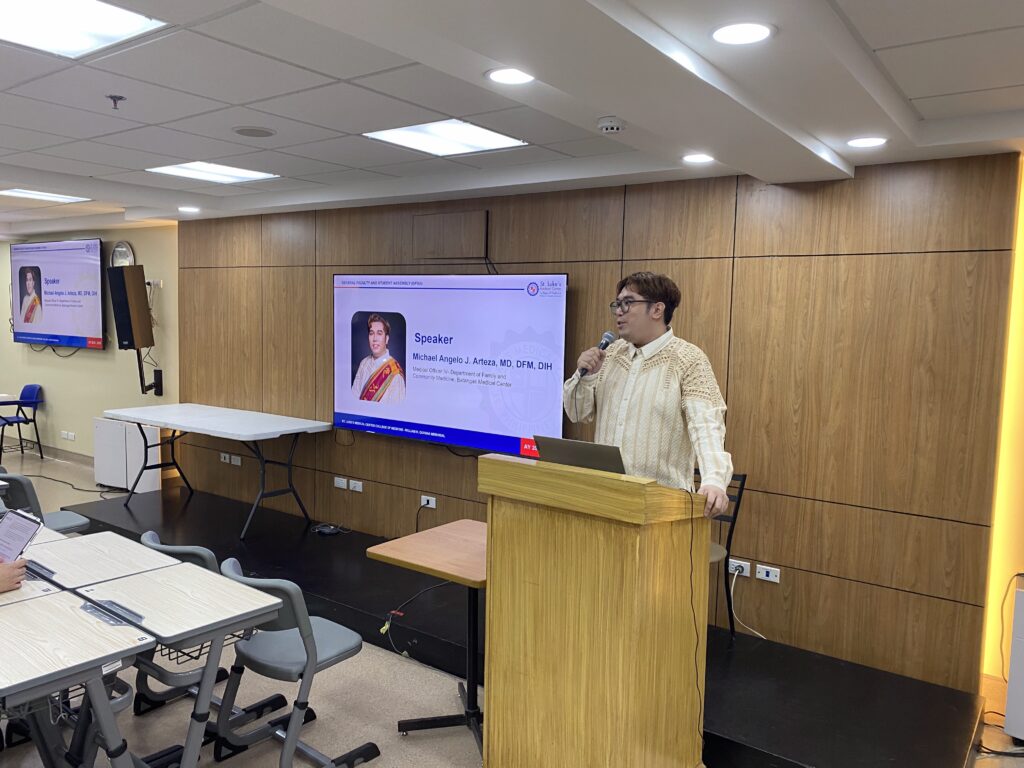
Meanwhile, Michael Angelo J. Arteza, RCh, MD, DFM, DIH, Medical Officer IV from the Department of Family and Community Medicine at Batangas Medical Center, emphasized a person-centered approach to care. He reminded the assembly that patients must be viewed within the context of their families and communities—each individual shaped by available resources, support systems, and social realities that influence health and recovery.
Together, these perspectives reinforced the critical role of health literacy in socially accountable medicine. Ensuring that patients and communities can properly access, understand, and process health information empowers them to make informed decisions, engage actively in their care, and ultimately achieve better health outcomes.
As we move forward, the insights from this assembly serve as a reminder that socially accountable healthcare is compassionate, preventive, and deeply rooted in the communities we serve.